Author: Dhileepan

  • Adding & Sharing New Material To Tekla

    Adding & Sharing New Material To Tekla

    In this blog, we will look at how to create and share new materials in a Tekla model. By default, Tekla comes with a predefined list of materials stored in the system drive (C drive). However, in many projects, we often need to add custom materials based on project requirements. To add a new material, go to the Menu at the top left corner, navigate to Catalogs, and then open the Material Catalog. From there, select an existing material, right click & selct “Add Grade,” rename it as required, and assign the appropriate density. Once saved, the new material will be available in the model.

    When sharing the model, especially using the db1 file to reduce file size, the newly added materials may not be available to the recipient. This is because custom materials are stored separately. To ensure the other user can access the same materials, you need to share the file named “matdb.bin” from the model folder. This file is created only when new materials are added and must be included along with the db1 file.

    Alternatively, there is another method to share materials. In the Material Catalog, you can use the “Export” option available at the bottom to save the material data as a separate file. This file can then be shared, and the recipient can import it into their Material Catalog to access the same materials.

    Watch the video below for a step-by-step demonstration of this process.

  • Lathe Place, Unanderra

    Lathe Place, Unanderra

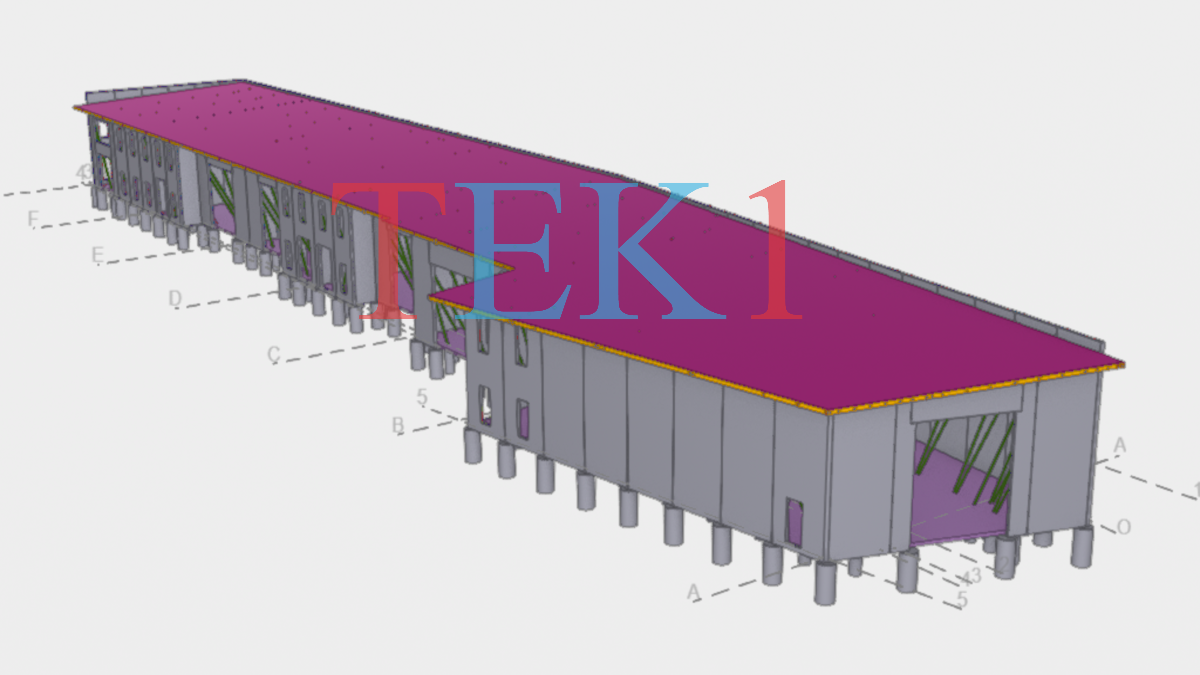
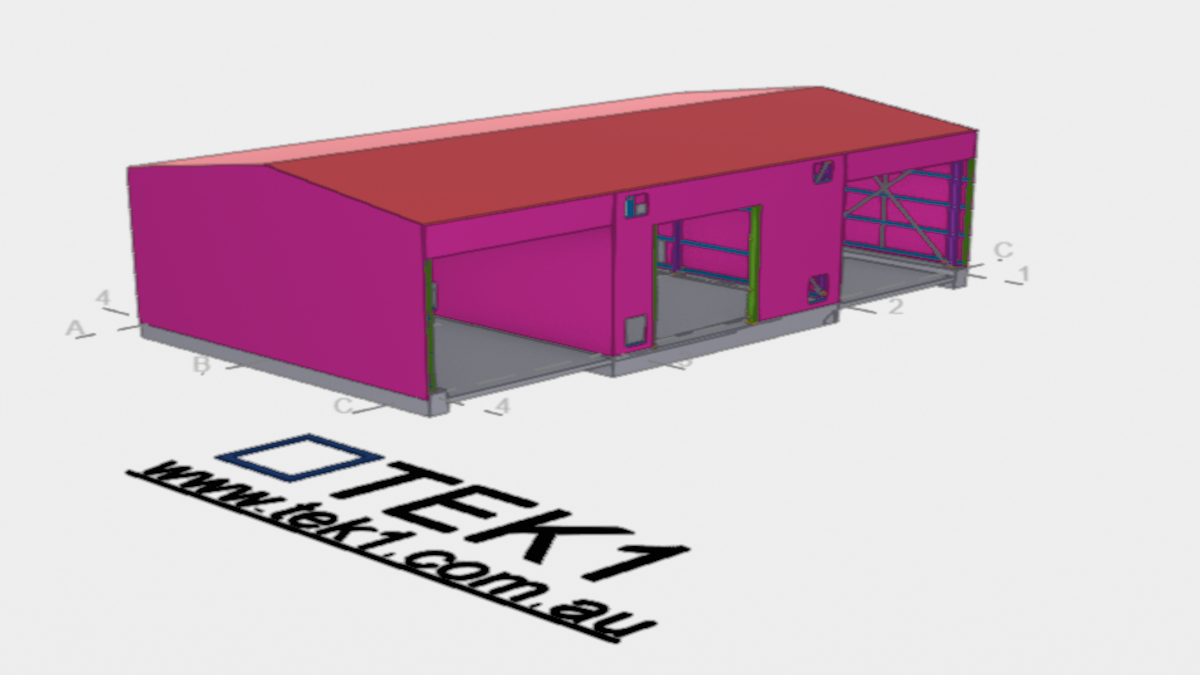
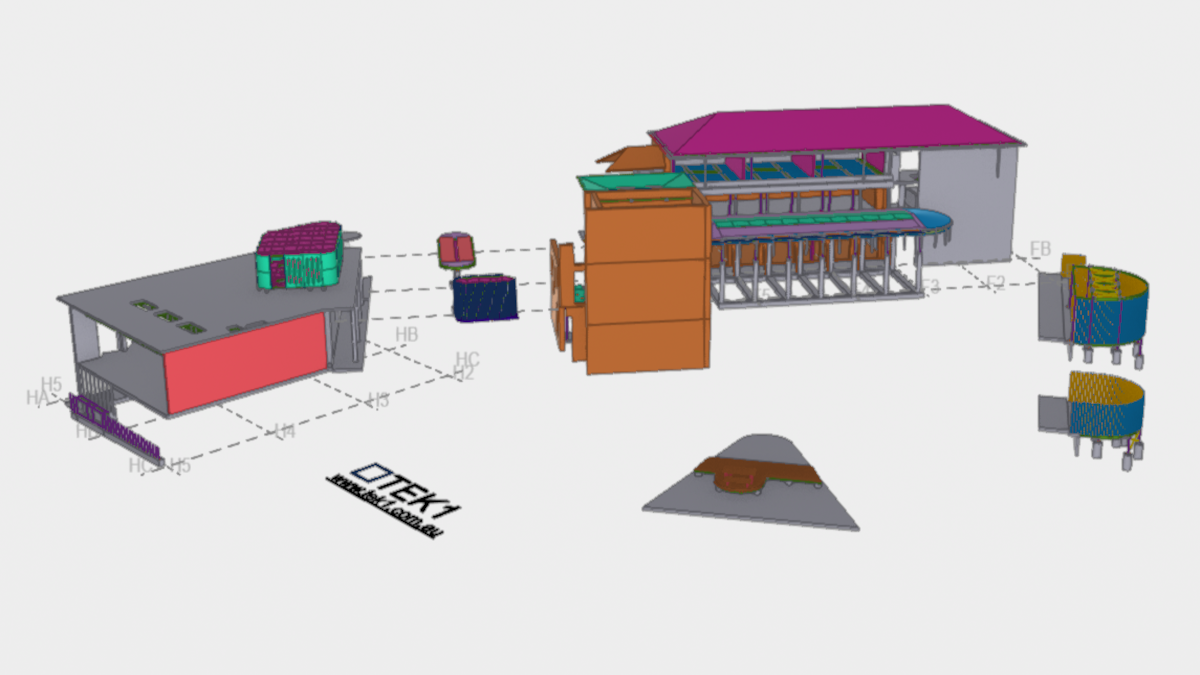
    This blog provides an overview of the modelling and detailing work completed for the Lathe place project at Unanderra.

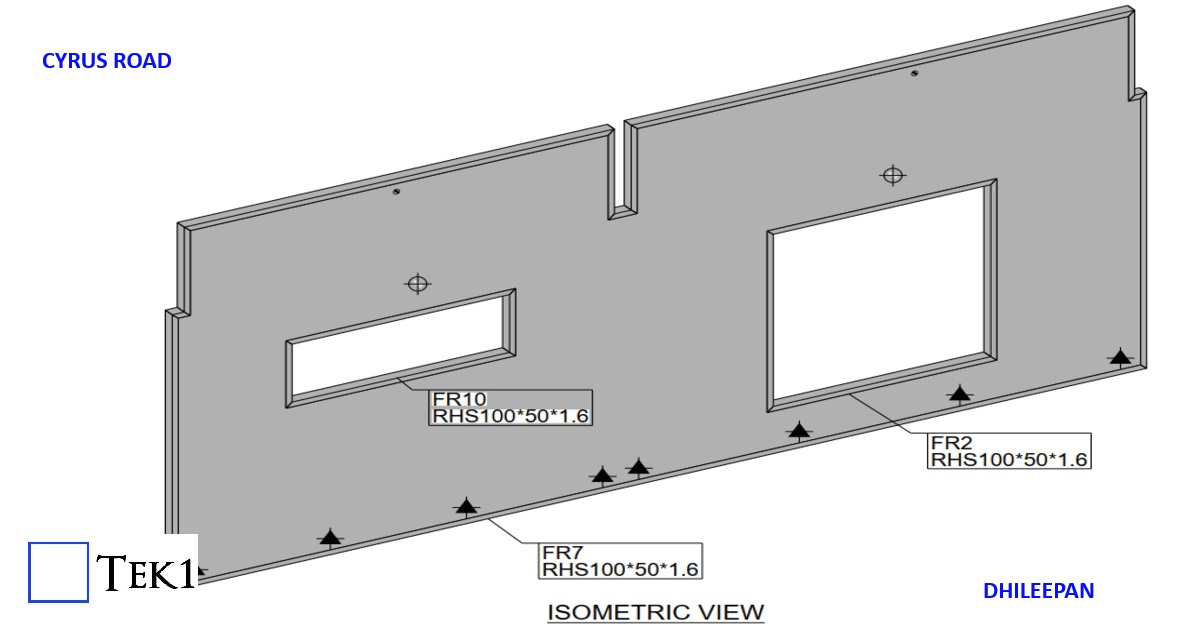
    This industrial development has 3 block comprising of 12 units. Each block has precast panels all around with steel roof & awnings.

  • When Accessibility Meets Practical Design: A Performance Solution at Moore Park

    When Accessibility Meets Practical Design: A Performance Solution at Moore Park

    At Moore park, there are several stairs & ramps. Among them is a stair which connects walkways at different levels. The direction of the stairs is perpendicular to the direction of the walkways.

    According to the sandards, handrails at stairs must extend beyond the stair flight to improve accessibility and safety. The standard requires:

    • 300 mm extension beyond the landing nosing at the top, and
    • The going of the first tread + 300 mm extension at the bottom.

    However, extending the handrail rail would protrude in the walkway & could cause collision hazard or reduce the effective width of the walkway.

    To avoid this, the handrail extension was omitted. The architect has marked this as performance solution & this is one of the few cases where this 300mm extension does not apply.

  • Avoiding Errors In Updating Modified Drawings

    Avoiding Errors In Updating Modified Drawings

    When the model is amended after issuing the first set of drawings, the affected assembly drawings will appear as “Parts Modified” after numbering is completed. While updating such drawings, certain considerations are important to ensure effective and quick detailing.

    1. Freeze Option

    When Freeze is OFF, Tekla automatically updates dimensions according to the movement of parts. While this may seem convenient, the decision to turn Freeze ON or OFF depends on the nature of the amendment.

    • If no new members are added to the assembly and only existing parts are moved, it is recommended to keep Freeze OFF, as Tekla will correctly update the dimensions.
    • If new parts are added to the assembly and Freeze is turned OFF, Tekla will automatically generate additional dimensions for the new members and may also alter existing dimensions. This can result in extra work to restore the original dimensioning arrangement.

    Guideline:

    • When no new parts are added, turn Freeze OFF.
    • When new parts are added, turn Freeze ON.

    2. Snapshot Option

    Among the drawings marked as “Parts Modified,” not all drawings necessarily contain actual changes. Some assembly drawings may appear as modified because they share common connection components with other assemblies that were amended.

    In such cases, the drawing may not have any visible changes and may only require an open-and-close action. However, there is a risk that certain dimensions may be automatically deleted or altered by Tekla during the update.

    To avoid missing dimensions or unintended changes, the Snapshot option is highly useful. It allows detailers to compare the drawing before and after the update. By reviewing the differences, any unnecessary or unintended modifications can be identified and corrected, thereby minimizing the risk of errors.

  • Muswellbrook Tafe

    Muswellbrook Tafe

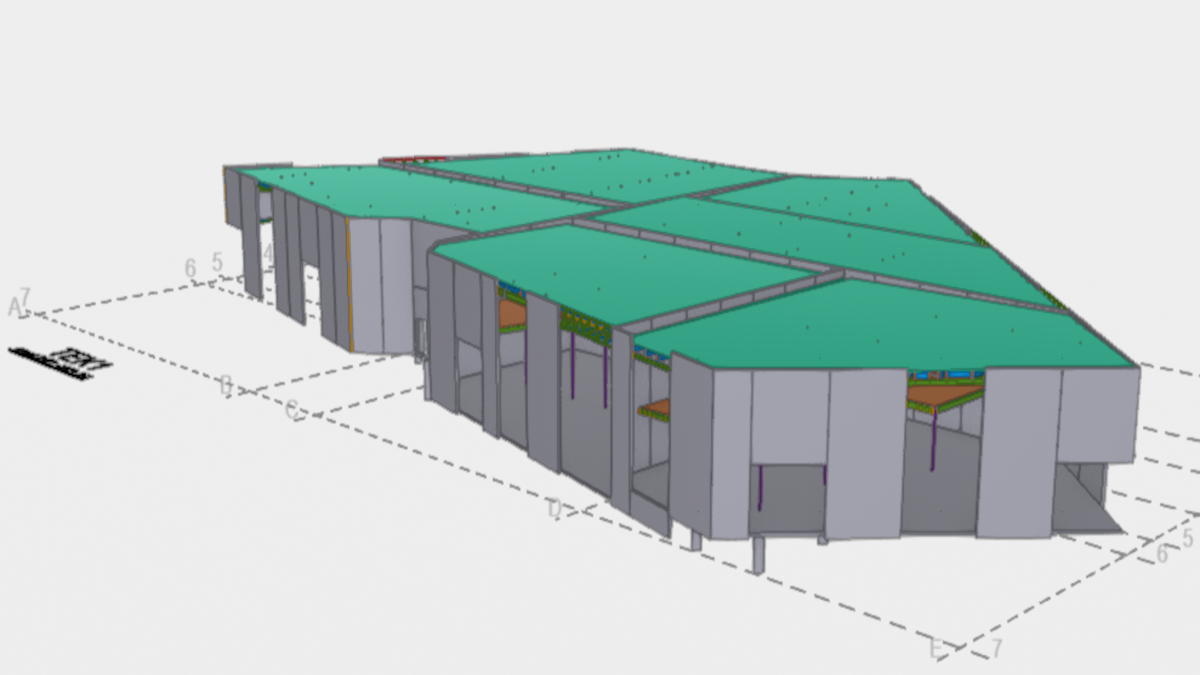
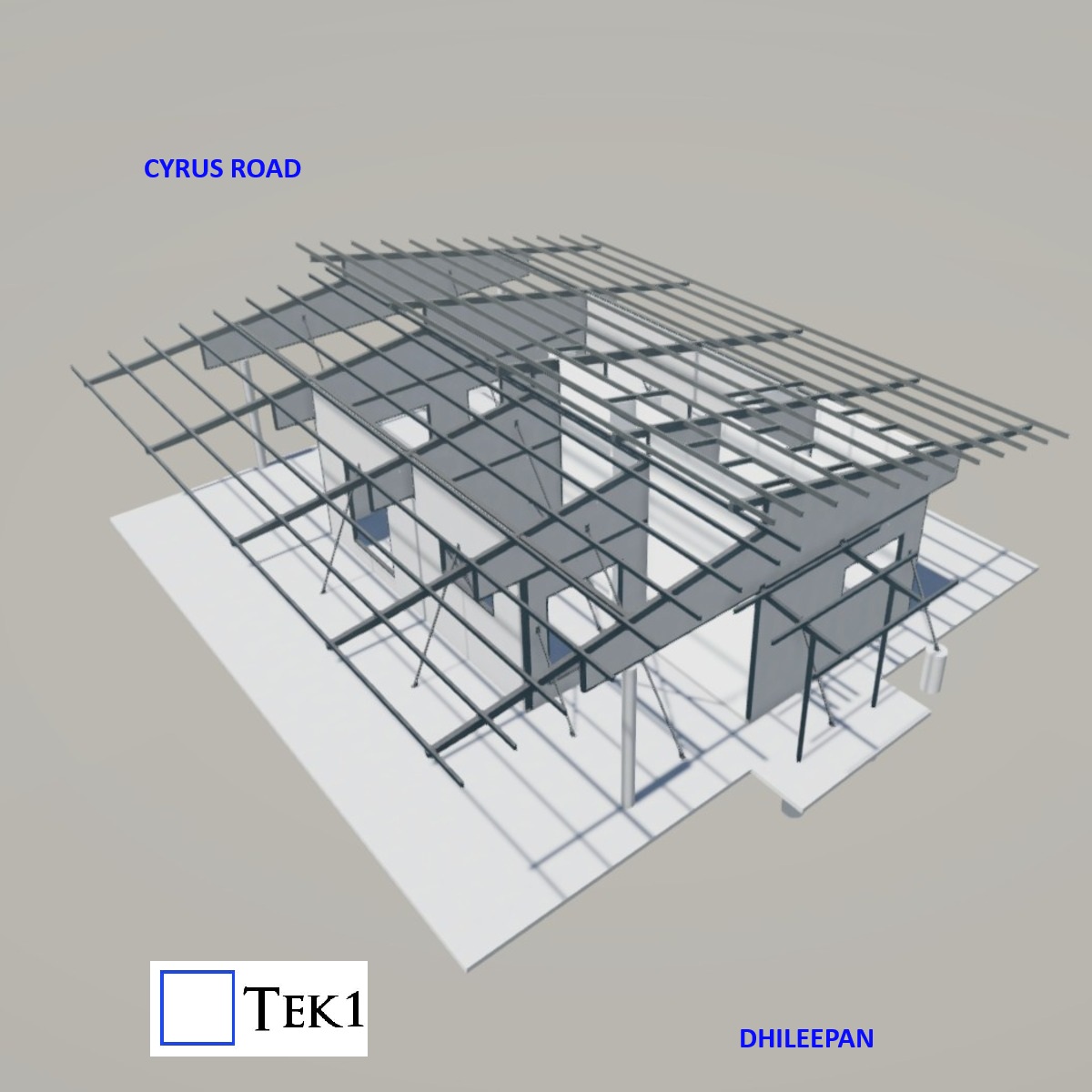
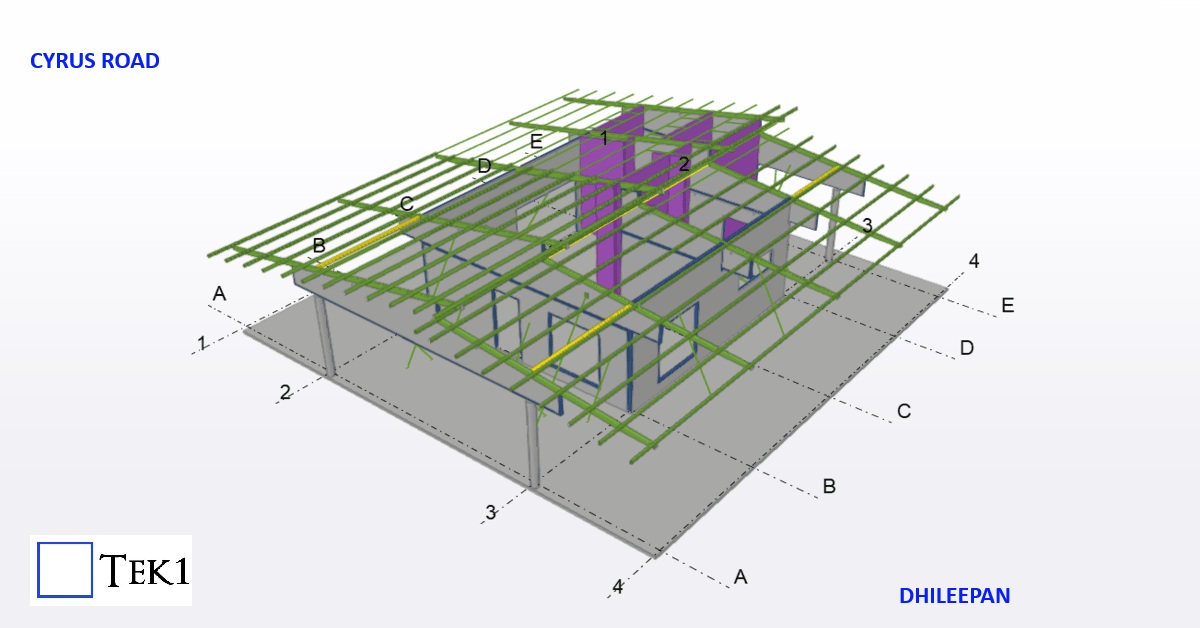
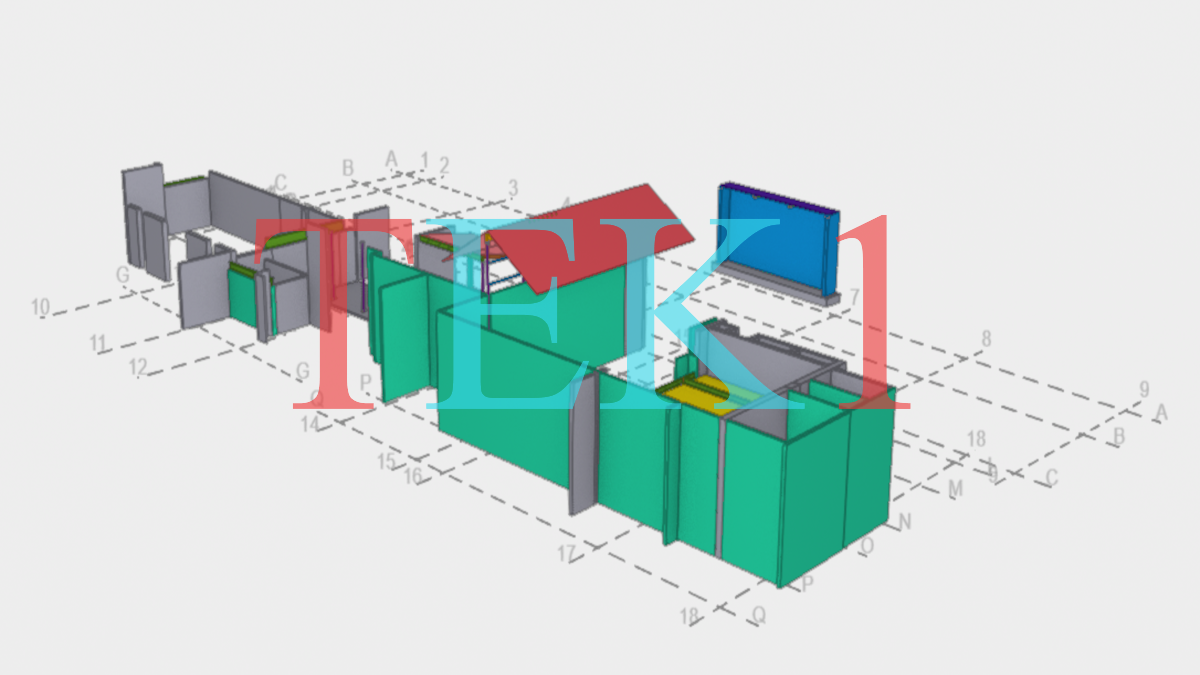
    The Stage 3 Works at Muswellbrook TAFE, located on Maitland Street, NSW, represent a significant milestone in the campus’s ongoing development and modernization.

    The new development comprises a storage warehouse, a curved amenities area, and multiple classrooms housed within a large integrated structure. The project involved a complex structural steel framework designed to support diverse functional spaces under one roof.

    A key challenge during this stage was coordination with the mechanical services contractor, as several ducts and ventilation systems initially clashed with the structural steel members. Through collaborative design reviews, practical solutions were agreed upon—relocating steel members at certain locations and adjusting duct routes at others—to achieve optimal constructability without compromising structural integrity or service performance.

  • Hunter Street Ramps & Gates

    Hunter Street Ramps & Gates

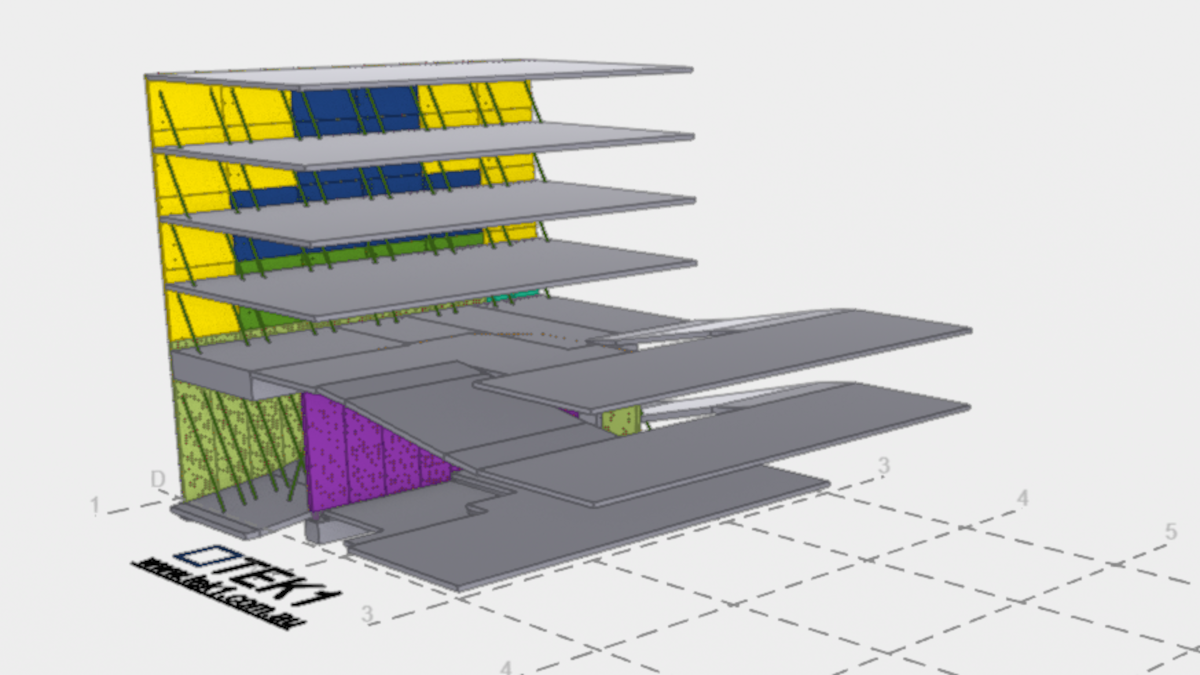
    The Hunter Street Project involves a total of three unique ramp and gate assemblies, each designed with a distinctive geometry and function.

    Unlike conventional ramps that slope in a single direction or follow a straight alignment, these ramps are far from ordinary. Each one features multiple slopes and apex lines, requiring precise modeling and coordination to achieve seamless transitions and accurate fitment on site.

    The associated gate systems include both single-leaf and double-leaf sliding gates, each integrated carefully with the ramp slopes to ensure smooth operation and proper clearances.

    Structurally, each ramp is composed of a series of 4 to 8 frames.
    Every frame includes:

    • A chequer plate deck at the top for slip resistance and durability.
    • A base plate at the bottom for connection and stability.
    • Waffle-type stiffeners sandwiched between, providing rigidity while minimizing weight.

    This setup requires engineering precision and modeling expertise. Tek1 had to provide inputs and suggestions to design the slopes in a way that ensures smooth operation of the sliding gates without imbalance.

  • Spotting the Hidden Error in an “Approved” Stair Project

    Spotting the Hidden Error in an “Approved” Stair Project

    Recently, we received a stair project that had already been detailed by another party and even approved by the design consultants. For reasons unknown, the project eventually came to Tek1.

    The scope involved a large five-flight stair with a 90° turn. We were provided with the GA drawings and assemblies prepared by the previous detailer, stamped with approvals, and instructed to simply follow the approved drawings for any RFIs raised.

    At first glance, it would have been easy to assume everything was in order. But at Tek1, we believe that blindly following drawings — even “approved” ones — is risky. Every project deserves a careful check against standards.

    The Error That Changed Everything

    During our review, we noticed a critical issue: while all risers were at 190 mm, one riser was set at just 149 mm. This not only broke the uniformity but also violated the applicable stair standards.

    We immediately highlighted this to the client. What seemed like a “small” mismatch in a single tread had major implications. To correct it, the entire stair had to be revised:

    • Riser height was adjusted to 188 mm.
    • All mid-landing RLs shifted.
    • Stringer slopes changed.
    • Handrails and support frames were reworked.

    In short, one overlooked error had a ripple effect on the entire structure.

    Lessons Learned

    Projects that land with us after being dropped by other detailers often arrive with extreme urgency, as valuable time has already been lost. But no matter how hectic the schedule, Tek1 follows one principle: check the input drawings against standards before proceeding.

    This extra step not only avoids costly errors but also ensures safety and compliance — something no deadline should compromise.

  • Balcony Step-Down & Splice Clash Resolved in Scarborough Residence

    Balcony Step-Down & Splice Clash Resolved in Scarborough Residence

    Project Background

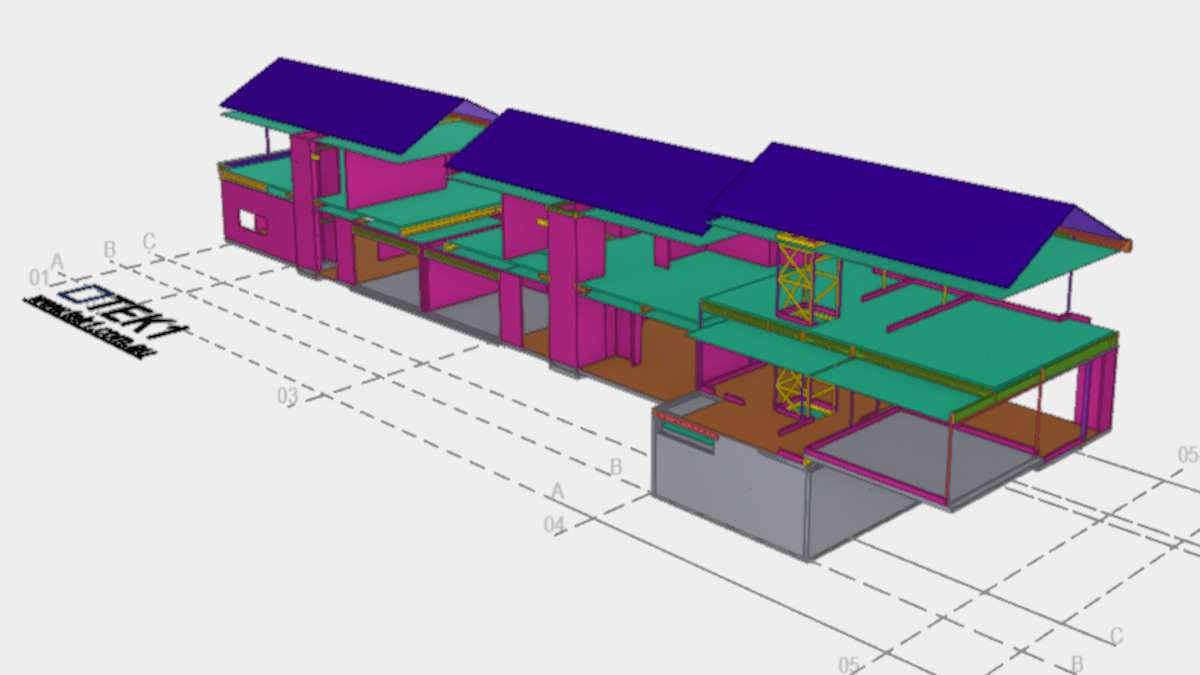
    In a residential project nestled in the scenic suburb of Scarborough, Bundeena, a critical coordination issue surfaced during the construction of the first-floor balcony. Originally designed to sit 100mm lower than the internal first-floor level (with the balcony at RL+33.000 and the floor level inside the residence at RL+33.100), the structural drawings, however, did not reflect this intended step-down.

    ARCHITECTURAL PLAN
    STRUCTURAL PLAN

    Floor Depth Conflict

    Adding to the complexity, the vertical space between the first-floor Finished Floor Level (FFL) and the ground floor Ceiling Level (FCL) was only 300mm, while the structural floor members specified were 327mm deep. This created an unintended exposure of the first-floor framing—both below the ceiling and above the balcony floor.

    Level Adjustment Solution

    Upon identifying the discrepancy, Tek1 promptly flagged the issue to both the structural engineer and the architect. A collaborative resolution was achieved by adjusting the levels: the internal FFL was raised to RL+33.253 and the balcony FFL to RL+33.153, restoring the 100mm step-down while maintaining all ground floor steel members at their original elevations. The level variation was managed by introducing floor joists of different depths—an efficient solution that avoided reworking the base structure.

    Splice Connection Clash

    Another issue surfaced in the form of a splice connection detail provided in the structural drawings. The original design called for splice plates on both the top and bottom flanges of the beam. However, the bottom plate posed a risk of clashing with the ceiling board. Tek1 proactively suggested an alternative splice configuration that avoided interference with the ceiling. This revised detail was reviewed and subsequently approved by the structural engineer.

    DESIGN SPLICE
    PRPOPOSED SPLICE

    Conclusion

    This case serves as a strong example of how early-stage detection, open communication, and thoughtful coordination between teams can lead to efficient, buildable solutions—ensuring design intent is met without compromising on functionality or aesthetics.

  • A New Addition to Launceston Christian School, Tasmania

    A New Addition to Launceston Christian School, Tasmania

    Let’s dive into the exciting expansion at Launceston Christian School in Tasmania—a thoughtfully designed new building covering an area of 1,440 square meters. This structure adds essential facilities to the campus, including classrooms, an auditorium, a storage room, and a library.

    Challenges:

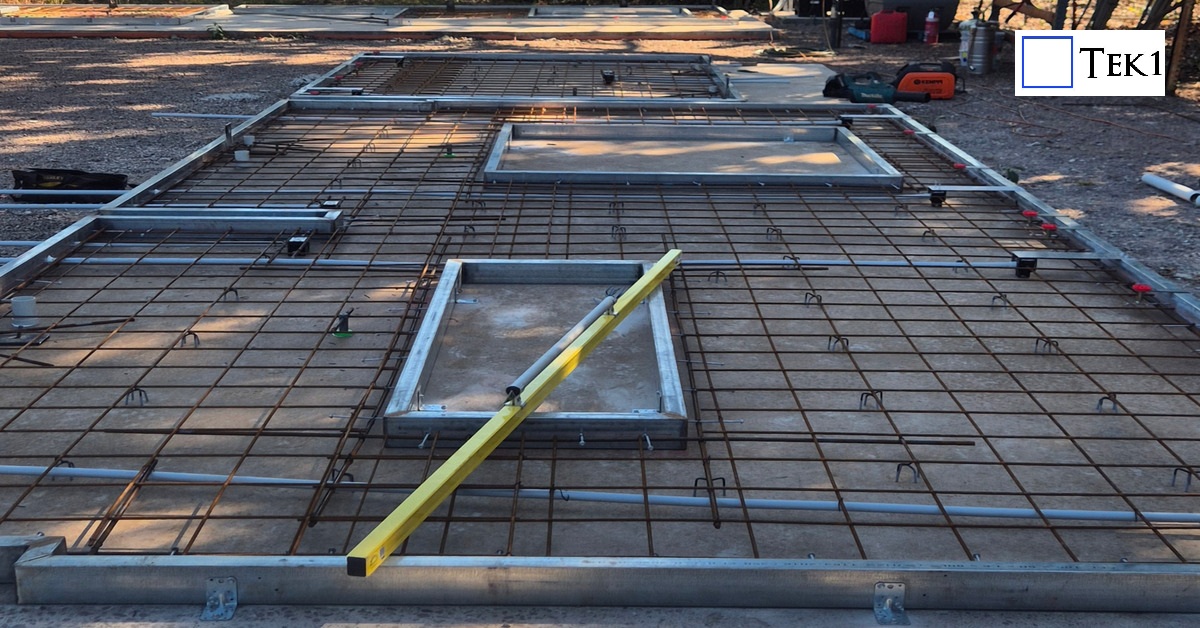
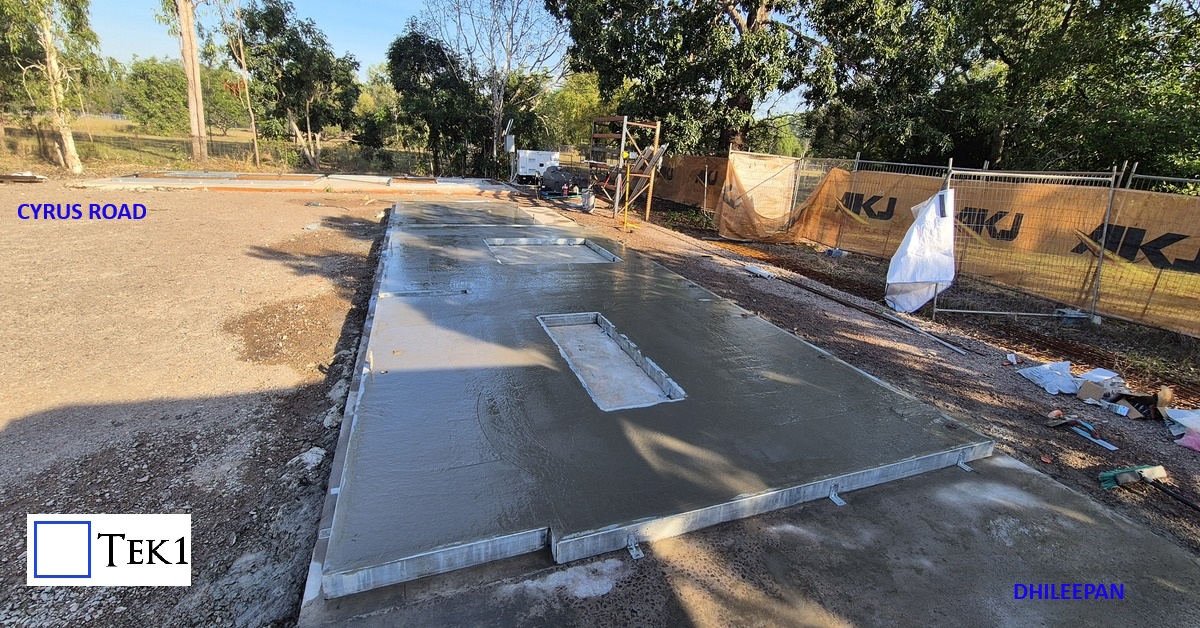
    A key engineering challenge in this project was related to the cast-in base plates. These base plates had to be finalized and fabricated before the slab pour could begin. This required us to release accurate base plate fabrication drawings and exact location details early in the project timeline.

    Since altering column positions later would not be feasible—especially if rafter alignments or other components demanded changes—we had to finalize all column locations at the earliest stage. This meant that the column modeling had to be both precise and quick.

    Once the column layout was locked in, the modeling of the beams and girts progressed smoothly without any complications.

    This project serves as a great example of how early coordination, clarity in design, and proactive decision-making contribute to successful structural outcomes.